
Choose a commercial cleaning company by how it manages the work, not by how it describes it. The best predictor of service a year from now is whether the vendor can show you a written scope, a named supervisor, a documented inspection routine and a plan for the first 90 days. Price matters, but only once you know two bids cover the same work.
Most facility and property managers are not hiring a cleaner for the first time. They are replacing one. The usual story is that service started well and slipped once the account settled in. The checks below are built to catch that before you sign.
1. Ask for the scope in writing, by area and frequency
A proposal that says "nightly janitorial, five nights a week" is not a scope. You want every area listed, every task named and a frequency beside each one. That document is what you will hold the vendor to, and it is the only way to compare bids fairly. Our guide to what a commercial cleaning scope of work should include covers each section.
2. Find out who supervises the crew
Ask a direct question: when something is missed, who do I call, and who do they report to? A good answer names a supervisor who is on site or visits on a set schedule, and a manager above that person. A weak answer is a general phone number. You should not end up directing the vendor's crew yourself.
Ask how you reach them as well: a phone number that is answered after hours, how quickly a complaint gets a reply, and what happens in an emergency such as a flood or a spill during business hours.
3. See how quality is checked, and how often
Every vendor says it inspects. Ask to see a completed inspection from a current account, with the date on it. Then ask how often inspections happen, who does them, and whether you are invited to walk the building with them. If you want to score a vendor yourself, use a janitorial inspection checklist so the result does not depend on who happens to be looking.
4. Ask how they staff and cover absences
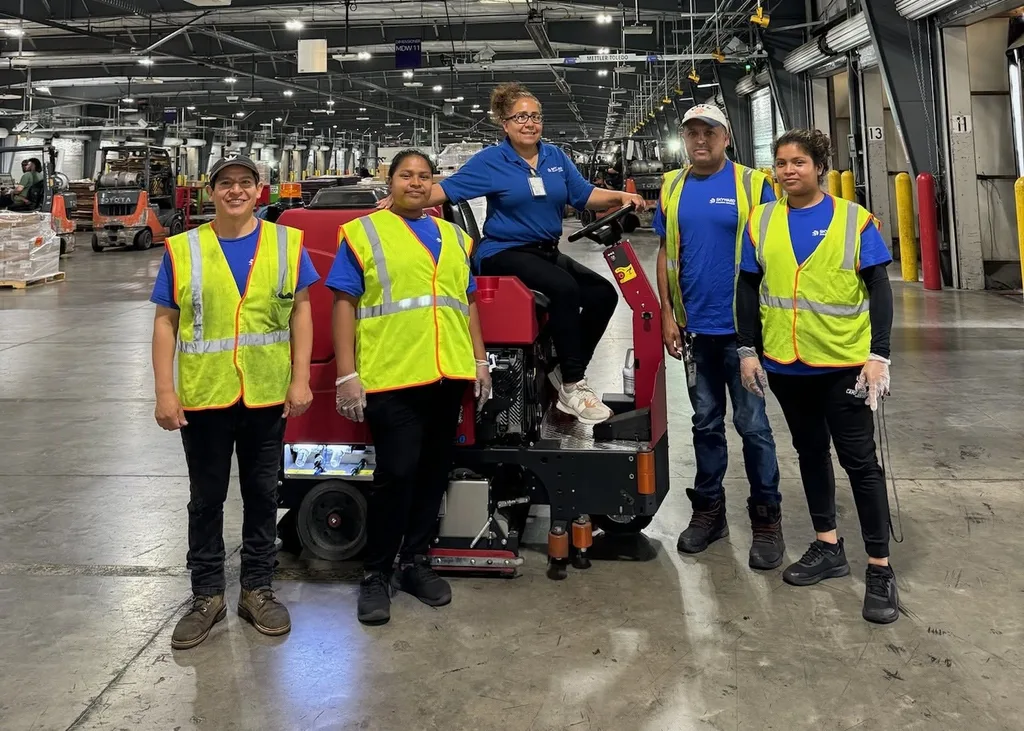
Turnover is the most common reason cleaning quality drops. Ask how new cleaners are trained for your building specifically, what happens when someone calls out, and whether the people on your site are employees or subcontractors. A vendor that works from written routes can put a substitute on the job and get the same result. One that relies on a single person's memory cannot.
5. Verify insurance and screening
Request a certificate of insurance showing general liability and workers' compensation, and ask to be named as a certificate holder. If your building has security, patient privacy or child-safety requirements, ask what background checks are run and get it in the contract.
6. Compare price on the same scope
The lowest bid is often the one that assumed the least work. Put the bids side by side and check the labor hours per visit, the periodic work that is included (floor care, carpets, high dusting) and who supplies consumables. If one bid is far below the others, ask which hours were left out. A structured janitorial RFP makes this comparison much easier.
7. Ask for the transition plan
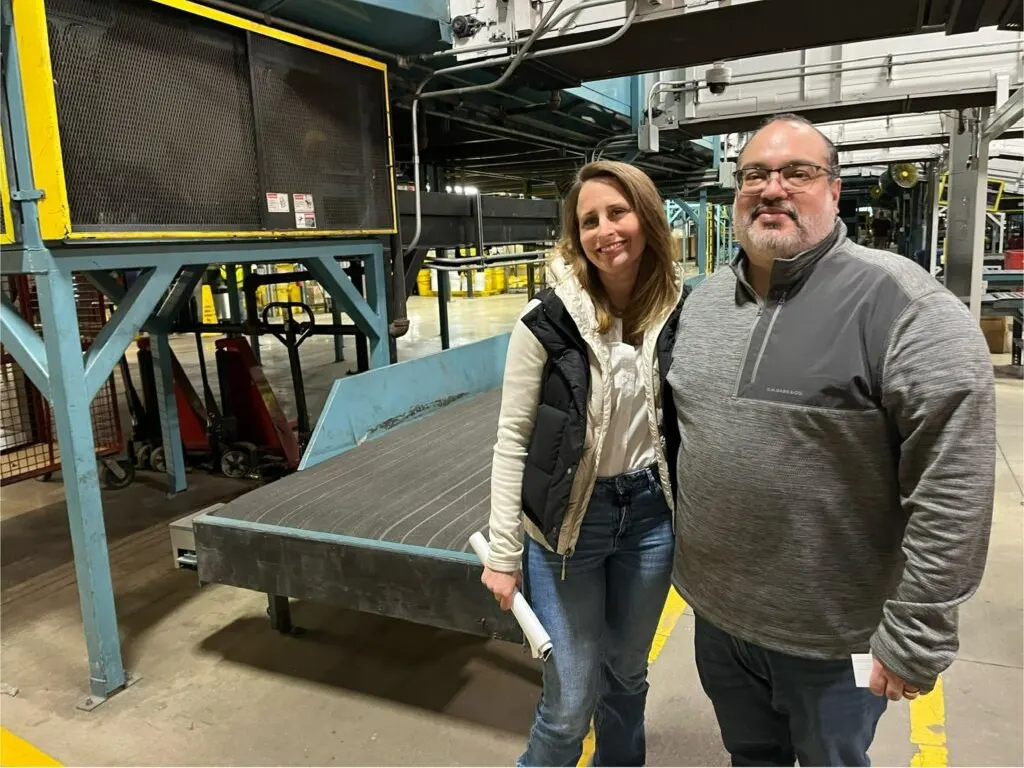
Switching vendors is where service gaps happen. A serious vendor can tell you what it will do in the weeks before the start date, on the first night, and in the first 30, 60 and 90 days: walkthroughs, key and access handover, supply setup, and the first joint inspection.
8. Check their experience with buildings like yours
A medical office, a distribution warehouse and a multi-tenant office building are cleaned in different ways. Ask which of the vendor's current accounts are closest to yours in size and type, and ask to speak to two or three of them. Read public reviews too, but give more weight to a reference you can call. The question that tells you most is how long the client has stayed.
9. Ask about products, equipment and who supplies them
Find out which chemicals the vendor uses, whether safety data sheets are kept on site, and what equipment it brings. Settle who supplies paper goods, soap and liners, and how restocking is tracked. If your building has sustainability goals, ask how those are met without giving up disinfection where it is required. Our guide to green commercial cleaning explains the difference.
10. Read the contract terms
Check the length of the agreement, how either side can end it and with how much notice, how price changes are handled, and what is billed as extra work. A vendor confident in its service does not need to lock you in to keep you.
Questions to ask on the walkthrough
- Can I see a written scope from a building like mine?
- Who supervises this account, and how often are they on site?
- Can I see a dated inspection report from a current client?
- How do you train a new cleaner for my building?
- What happens the night someone calls out?
- Are the cleaners your employees?
- What is included in the price, and what is billed separately?
- What does the first 90 days look like?
- Can I speak to a client you have served for more than three years?
- How do I reach you after hours?
- Which products do you use, and who supplies consumables?
- What are the contract length and cancellation terms?
Red flags
- A price given over the phone, without seeing the building
- A one-page proposal with no frequencies
- No named supervisor
- Vague answers about who the cleaners work for
- No references from buildings similar to yours
- A long contract with no way out for poor service
How Skyward handles these
Skyward builds each proposal from a walkthrough, so the scope and the price match the building. Work is assigned through defined routes and zones, a supervisor checks completion every shift, and joint inspections with the client are scheduled as part of the program. The company facts page lists the full quality-assurance schedule.
Request a site assessment if you would like to see what that looks like for your building.