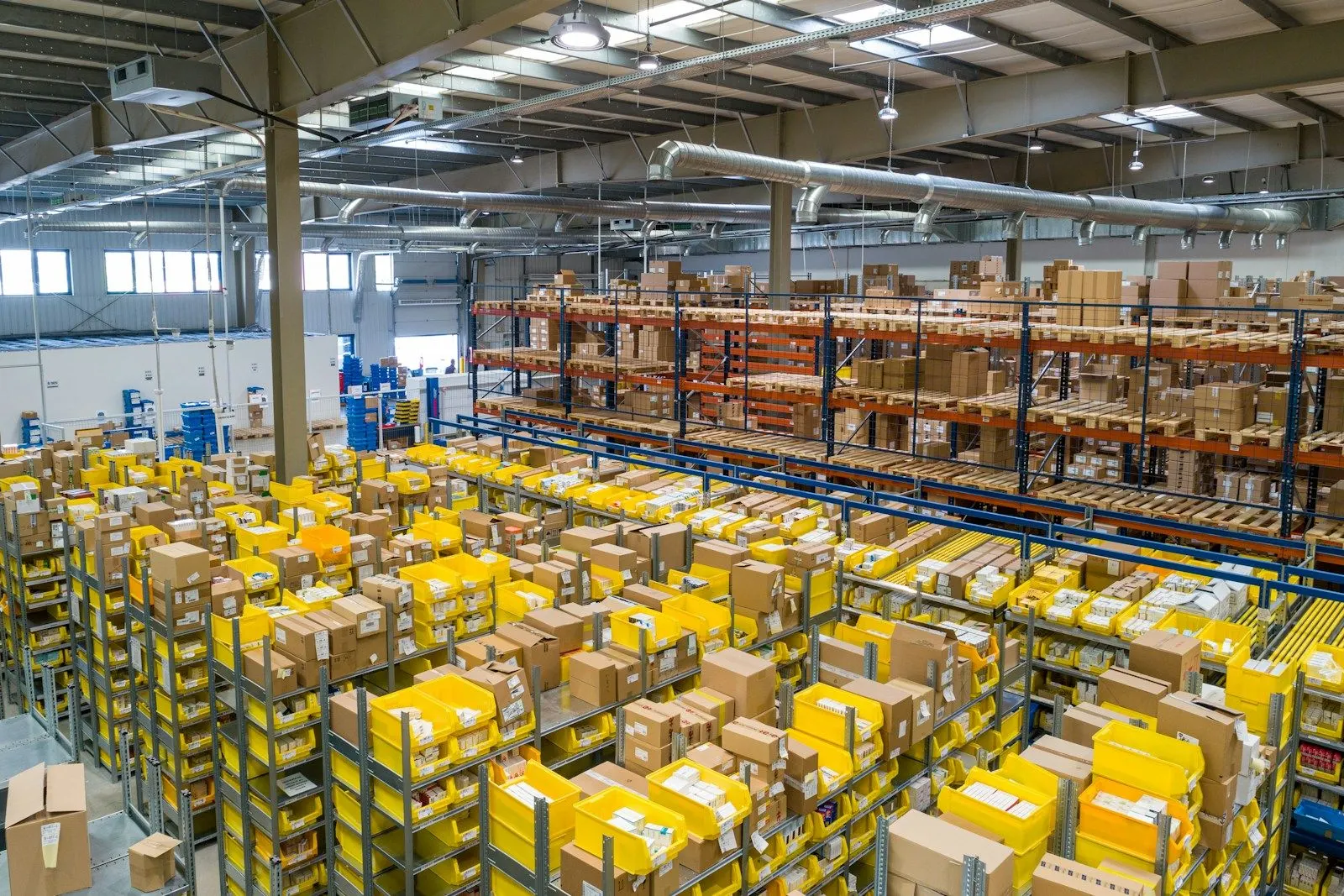
Industrial and manufacturing cleaning services have one job: support safe, uninterrupted operations. In plants and industrial facilities, debris and dust build quickly around production lines, packing areas, loading docks, break areas and restrooms. Floors take a beating from pallet jacks and forklifts, and small oversights can become bigger problems when you are moving product on tight timelines.
Skyward builds cleaning programs around your site realities: shift changes, restricted zones, equipment traffic, and safety requirements. We define the scope by area and task, then run the work with documented checklists so your team can verify performance consistently across bays, aisles, mezzanines, and offices attached to the plant.
Whether you need nightly service, a day porter for continuous upkeep, or periodic deep cleaning for floor care and dust control, our goal is the same: predictable outcomes without disrupting production, shipping, or maintenance schedules. For the task-by-task scope, see our warehouse cleaning services.
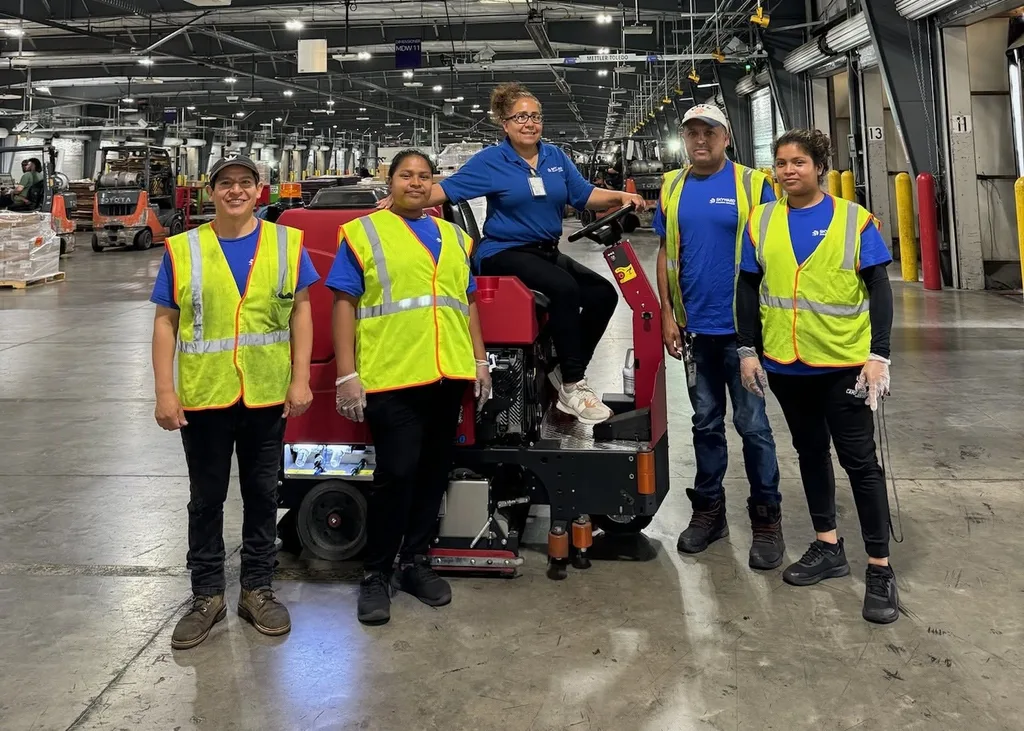
Industrial & Manufacturing Environments We Serve
- Distribution centers and fulfillment operations
- Light manufacturing and assembly floors
- Packaging, kitting, and labeling areas
- Loading docks, staging lanes, and shipping offices
- Tool cribs, maintenance rooms, and breakrooms
- Quality control rooms and administrative areas on-site
- Multi-tenant industrial buildings with shared corridors and restrooms
Common Facility Cleaning Challenges We Solve
Dust and debris control: High-traffic aisles, racking zones, and packing areas generate constant dust and litter. We build a routine that targets accumulation points, reduces track-out, and keeps work areas presentable for audits and visitors.
Forklift and pallet traffic on floors: Concrete and coated floors need the right approach to stay safe. We focus on walk paths, corners, dock edges, and spill-prone zones so traction and appearance hold up between larger floor-care visits.
Shift schedules and uptime: Cleaning cannot slow down production or shipping. We plan around shift changes, define access windows, and coordinate with supervisors so teams know what will be cleaned and when.
Restrooms, breakrooms, and shared touchpoints: These areas are where cleanliness is felt most by employees. We keep hygiene high with consistent disinfection of high-touch points, replenishment support as needed, and clear expectations for trash and recycling handling.
Proven in Active Warehouse & Distribution Operations
Skyward provides recurring cleaning and facility services for warehouses, distribution centers and logistics operations, and serves national accounts directly, including multi-site logistics operators across the United States. Members of the leadership team came from engineering careers in safety-critical industries, including nuclear and oil and gas, and the operating model reflects it: defined procedures, dependable staffing and measurable quality.
Every facility is divided into defined routes and zones, with work assigned by area, shift and priority. On-site supervisors manage day-to-day delivery, operations leadership owns performance and staffing stability, and senior leadership handles escalation. Beyond recurring cleaning, the same team can take on project work such as warehouse floor scrubbing, floor restoration, power washing, concrete work and line striping. Skyward is fully insured and bonded and is an ISSA Building Service Contractor Member.
Manufacturing Plant Cleaning Around Production Schedules
Plants need a clear line between what the cleaning crew does and what stays with your maintenance or sanitation team. That line is drawn on the walkthrough and written into the scope, so nobody assumes.
- Usually in scope: plant offices, quality control rooms, break rooms, locker rooms and restrooms; aisles, walkways and staging lanes; floor surfaces between and around production areas; shipping and receiving offices.
- Agreed case by case: machinery-adjacent areas, equipment exteriors, mezzanines and any zone that needs an escort, a permit or production to stop first.
- Coordinated with your safety rules: PPE requirements, restricted zones, forklift traffic lanes and access protocols are captured on the walkthrough, and cleaning is timed around shift changes and the production calendar.
Crew training is ongoing rather than a one-time onboarding. It can include OSHA safety, chemical handling with SDS and GHS procedures, PPE, equipment operation, site-specific procedures, access protocols and emergency procedures, with weekly supervisor-led safety meetings, monthly structured safety training and annual proficiency refreshers.
Industrial & Manufacturing Cleaning Protocols
Safety-First Walkthrough
We tour the building with your point person to map traffic lanes, restricted zones, dock flow, equipment areas, and spill risks. Then we translate that into a practical scope by zone and shift.
Scope, Schedule, and Supply Plan
We set frequency by area (daily touchpoints, weekly details, periodic deep work), align access windows, and confirm responsibilities for consumables. You get a checklist structure that matches how the facility actually runs.
Launch, QA, and Continuous Improvement
We start with clear expectations, supervisory oversight, and documented quality checks. Issues are logged, communicated, and resolved through defined escalation so standards do not drift over time.
What’s Included in Our Industrial & Manufacturing Programs
How Quality Is Checked
Anyone can promise documented QA. This is the actual schedule, from every shift to every quarter, so problems are caught before your operations team finds them.
| Quality check | How often |
|---|---|
| Route completion check | Every shift |
| Visual and photo verification | Daily |
| Supervisor walkthrough | Daily |
| Joint inspection with you | Every 30 to 45 days |
| Complaint resolution | Same day |
| Steering meeting | Monthly |
| Business review | Quarterly |
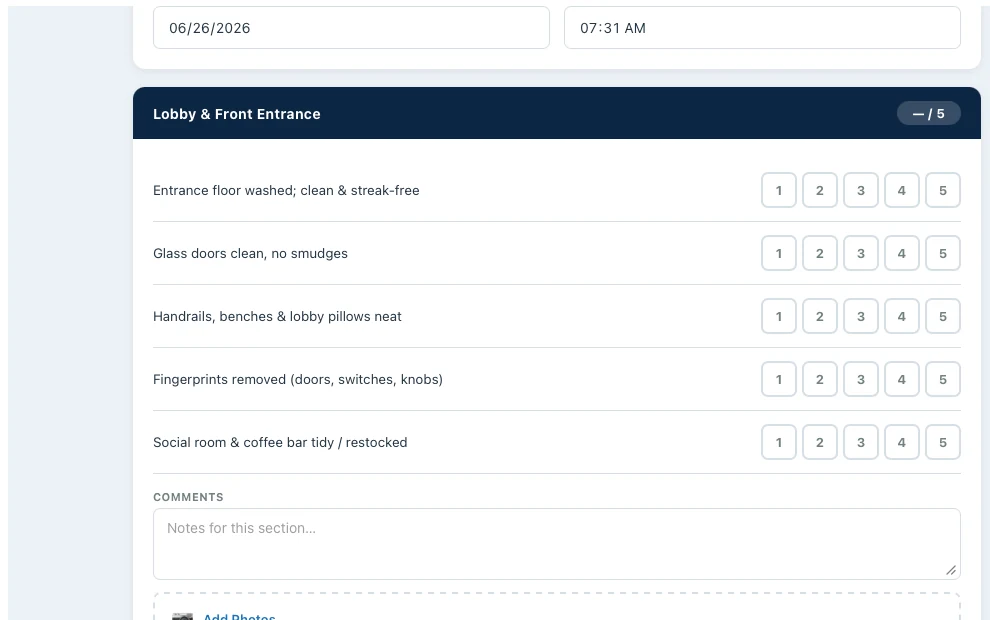
See the full schedule on our company facts page, or use our janitorial inspection checklist.
Frequently Asked Questions
Can you work around multiple shifts and production schedules?
What areas do you typically include in a facility scope?
Do you provide floor stripping, waxing, or deep floor care?
Do you work with multi-site logistics and distribution operators?
What safety training do your crews receive?
How soon can we get a proposal?
Need a Custom Facility Scope?
Get a cleaning plan built around your floor plan, dock activity, shift schedule, and safety priorities. We will walk the site, define zones, and propose a cadence that supports uptime.
Request a Site Assessment